
Get the Facts about Tassal



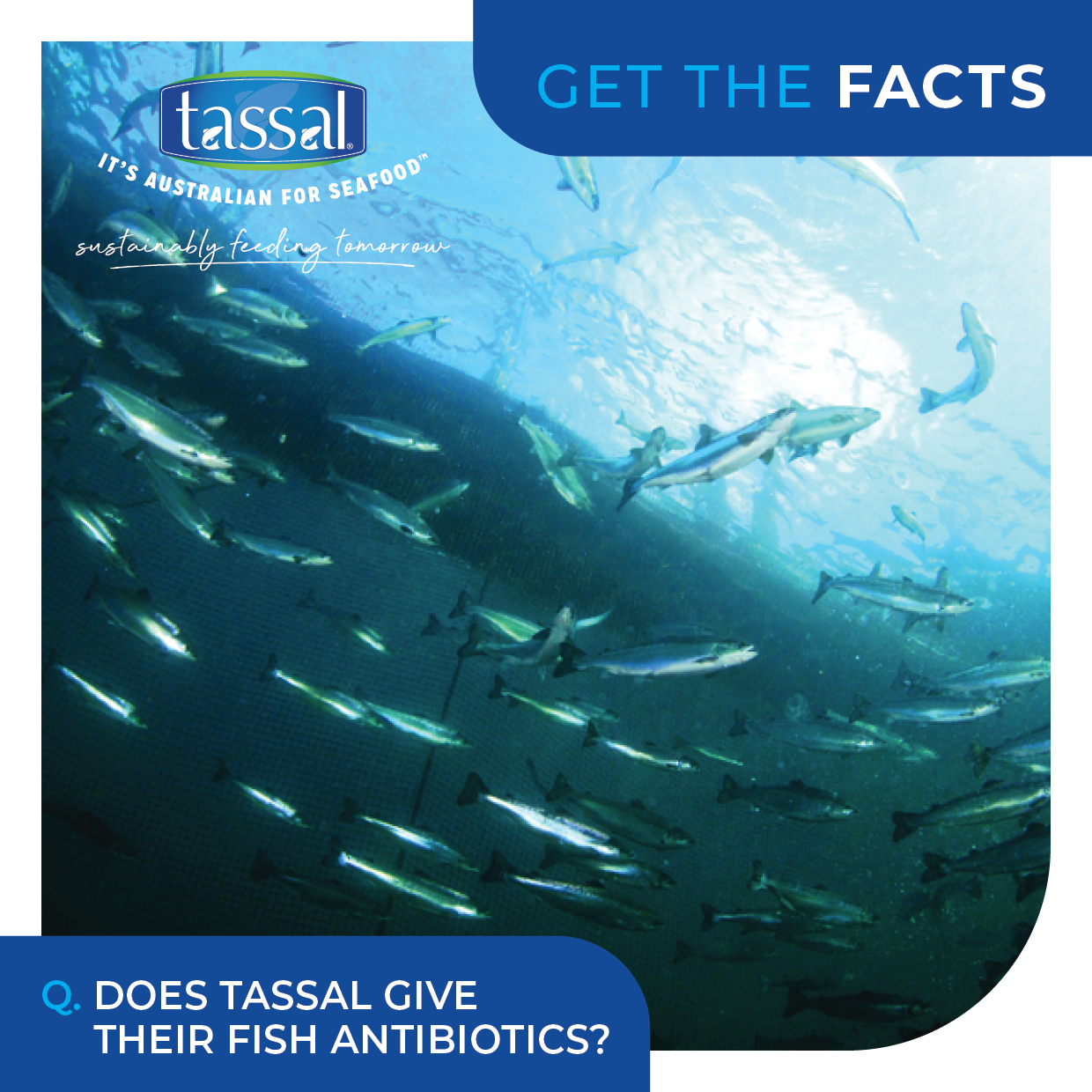
DOES TASSAL GIVE THEIR FISH ANTIBIOTICS?
As proud farmers we are committed to looking after the health and welfare of our fish, as well as our local marine and coastal environment. The use of antibiotics on our farms is strictly regulated and are used rarely if there is a serious bacterial infection in farmed fish. We have strict measures in place to ensure that fish are not
harvested following an antibiotic treatment until sufficient time has elapsed to ensure that residues are well below the legal limit.
Details of antibiotic use is proactively disclosed here: Antibiotic Use – Tassal Dashboard
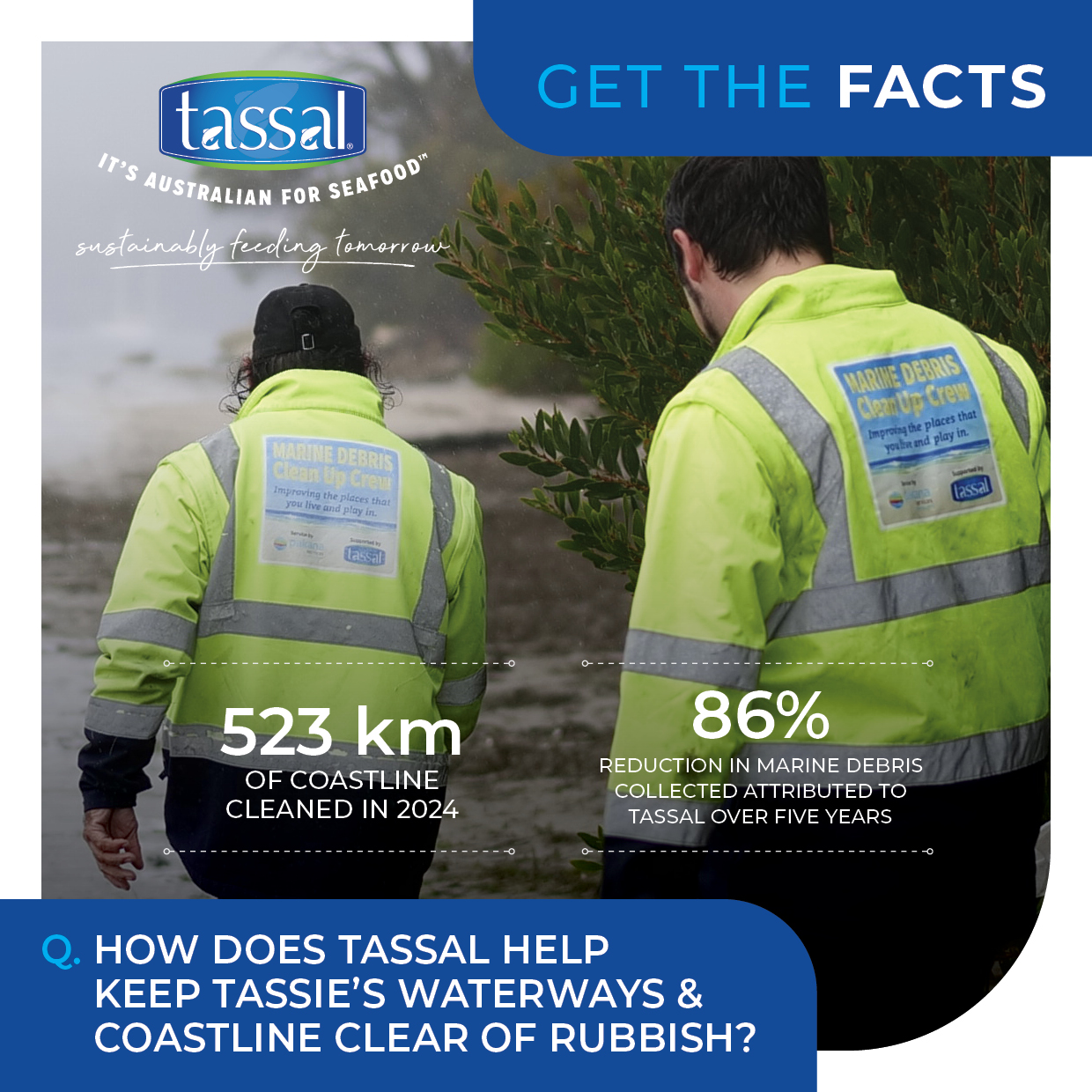
HOW DOES TASSAL HELP KEEP TASSIE’S WATERWAYS & COASTLINE CLEAR OF RUBBISH?
Our marine debris program focuses on preventing floating equipment from turning into rubbish. We conduct daily checks of large floating equipment, maintain our equipment registers, and use GPS trackers on larger items. All infrastructure is marked with Tassal identifiers. Our clean-up efforts extend beyond collecting aquaculture-related debris, also collecting household and other marine waste in our communities. Our Tasmanian marine operations staff conduct monthly shoreline clean-ups and record detailed data on the types of waste collected. This is a huge focus for our teams and despite significant improvements, we’re always committed to doing better.
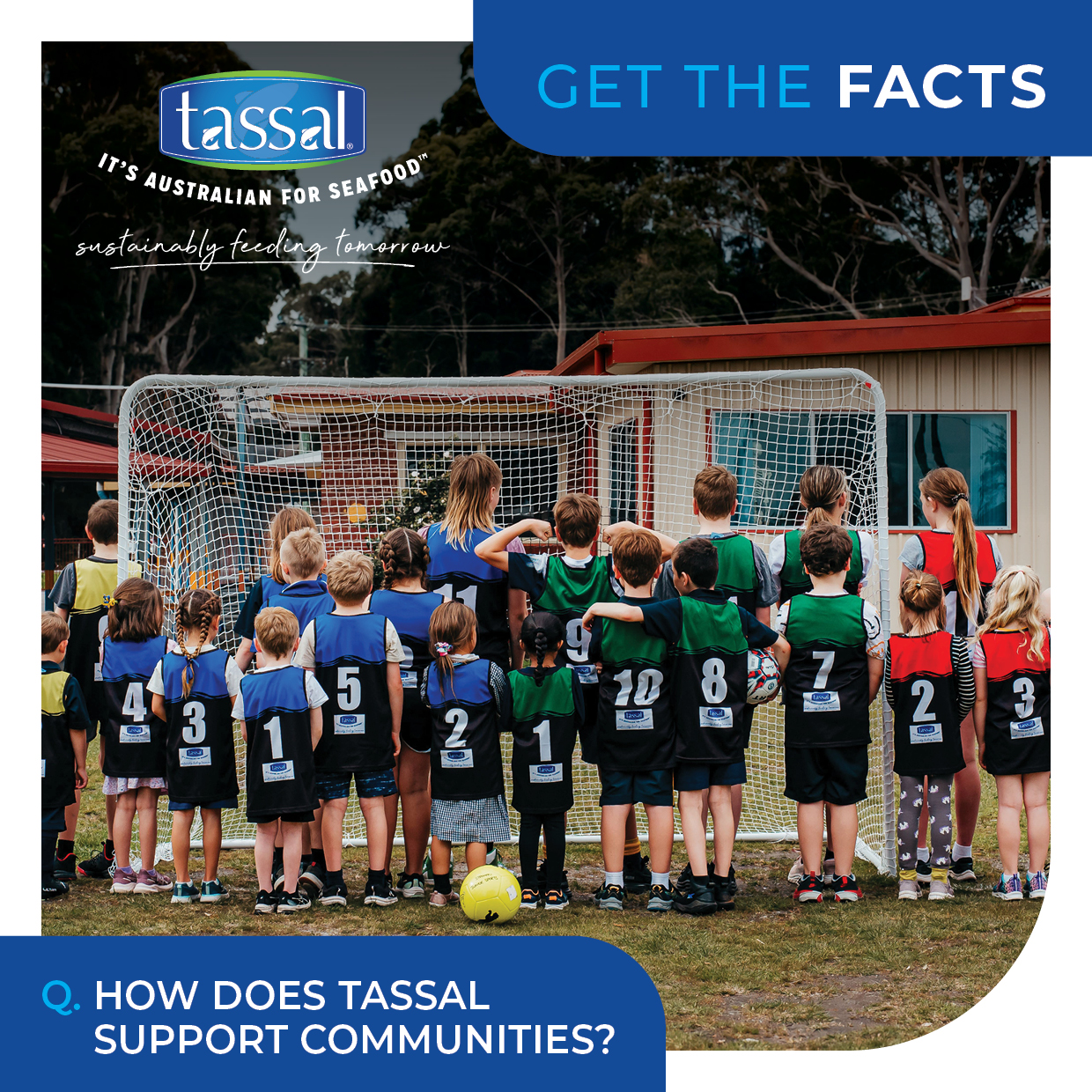
HOW DOES TASSAL SUPPORT COMMUNITIES?
In 2024, we invested $255,000 in community support through 118 sponsorships throughout Australia. Our focus is on initiatives that enhance the resilience, wellbeing, safety, and connectedness of local communities. We’re committed to building strong, lasting relationships with our local communities — the backbone of our operations. Through the Tassal Community Foundation, we support schools, charities, sporting clubs, and community initiatives via sponsorships, donations, and financial support. We also assisted in 42 marine rescues over the past two years.
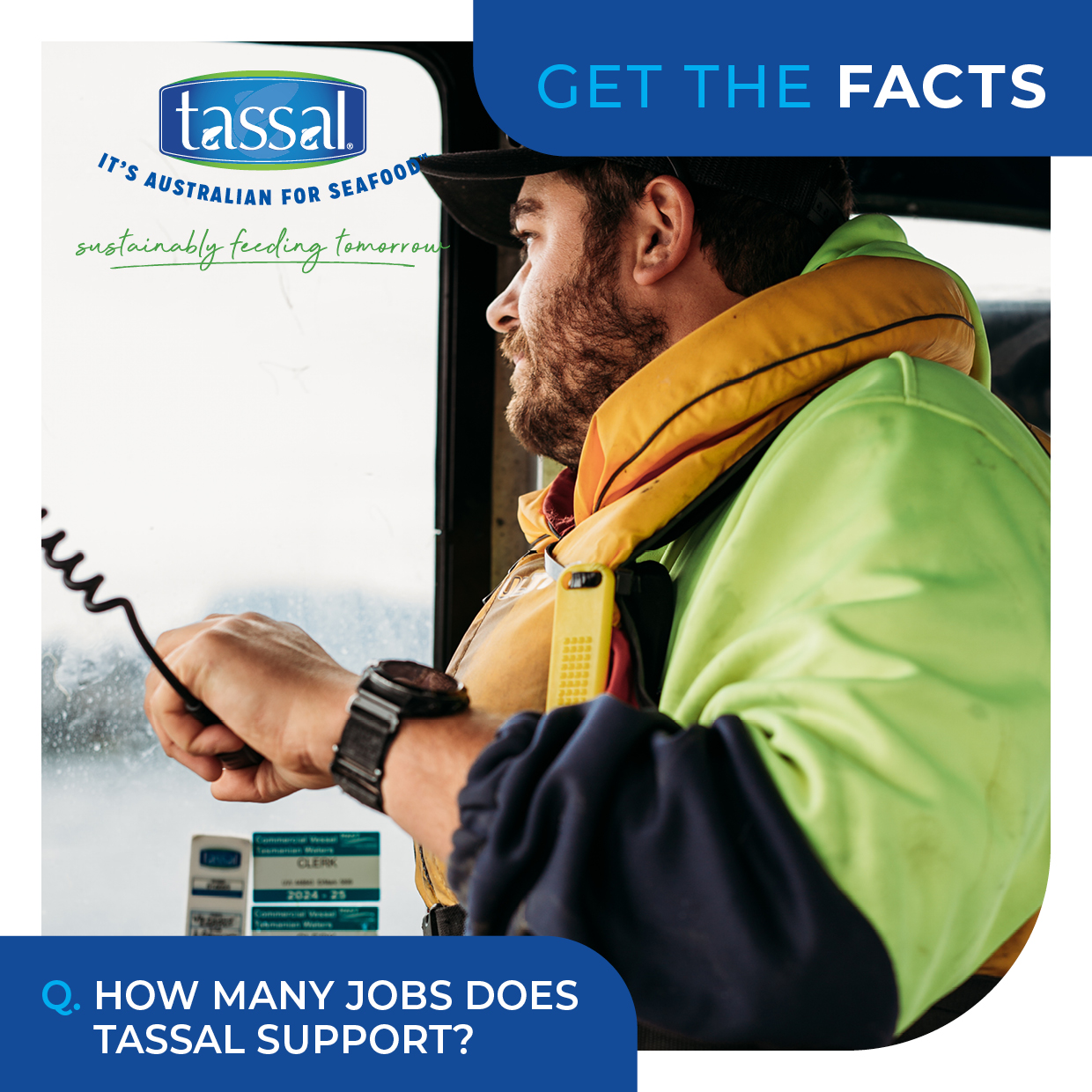
HOW MANY JOBS DOES TASSAL SUPPORT?
We employee approximately 1,700 people across Australia, from Tassie to Queensland through to Western Australia. Many of these jobs are in regional communities, supporting local businesses, schools, and community groups. More than 1,000 of these people work in Tassie in our salmon operations on the water, in our processing facilities, in corporate offices and at hatcheries. More than $554M was invested in suppliers across Australia in 2024. When we do well and grow, businesses and communities around us do the same.

WHAT IS GOING ON WITH SALMON IN MACQUARIE HARBOUR?
In 2024, the Australian Government expressed strong support for salmon farming in the Harbour, following positive research from the Institute of Marine and Antarctic Studies (IMAS) regarding the endangered Maugean skate. The most recent report from the EPA indicates the Harbour is in its best condition for over a decade. Current scientific estimates suggest the skate population is around 4,000, similar to levels recorded in 2014. Tasmania’s aquaculture industry began in Macquarie Harbour on the West Coast in the 1980s and the region remains central to the industry footprint in northern and north-west Tasmania.
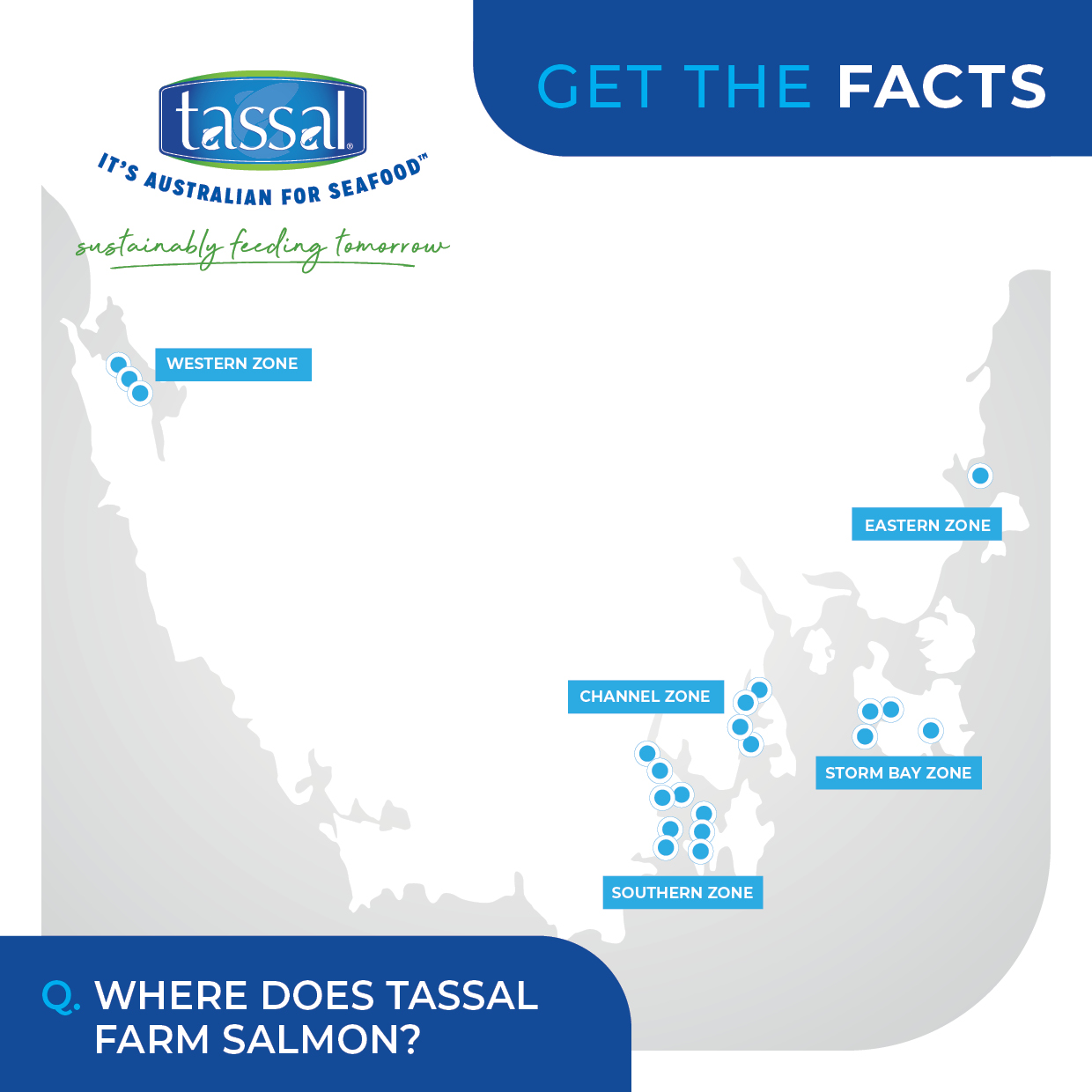
WHERE DOES TASSAL FARM SALMON?
Tassal has almost 40 years’ experience in farming salmon in Tassie. The map image here shows areas we currently farm in Tassie. In 2024 we harvested 32,022 tonnes of salmon. The actual footprint of all pens combined as an industry is only one square km – 1/5 of the size of Hobart Airport. We pride ourselves on best practice fish welfare and environmental management as we sustainably feed tomorrow.
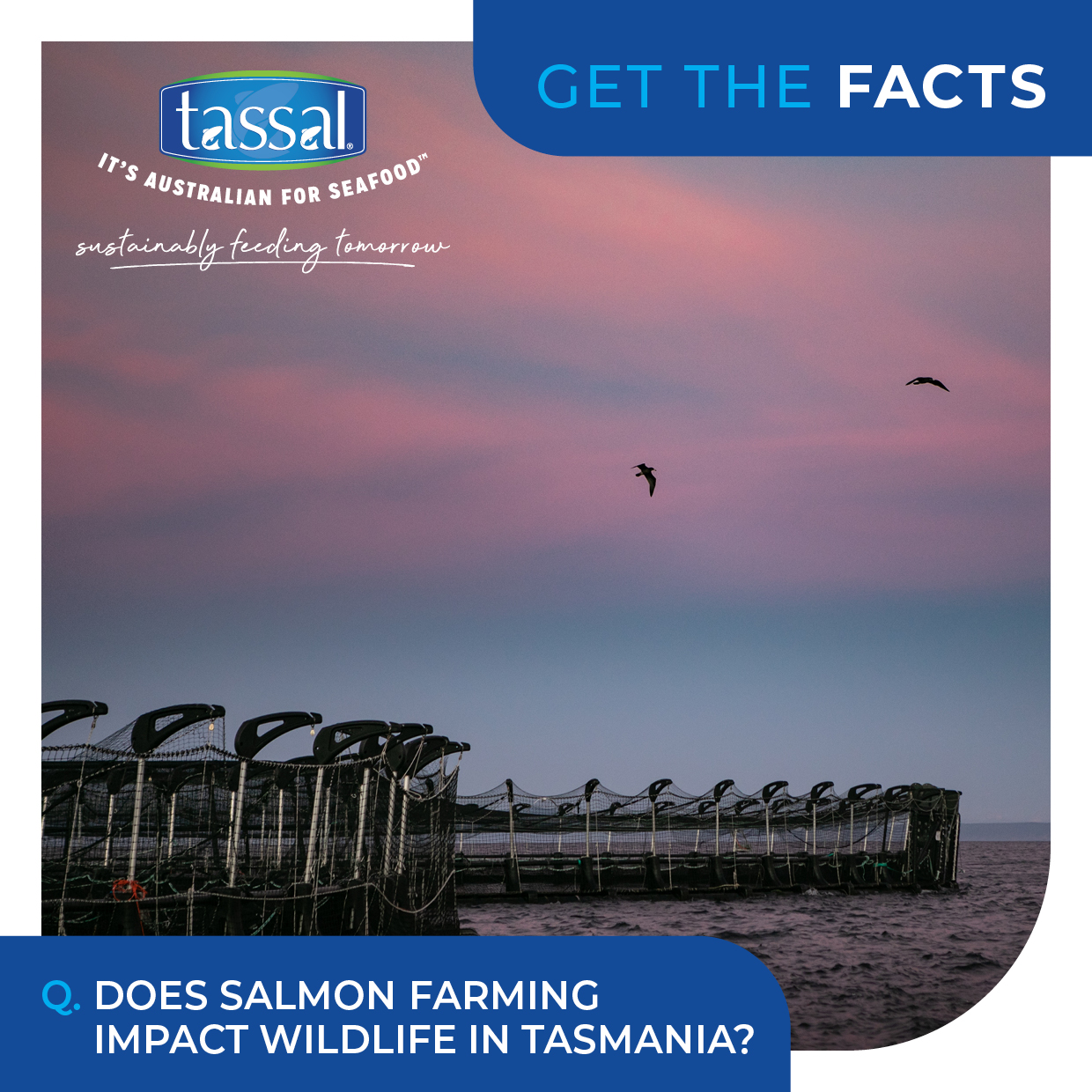
DOES SALMON FARMING IMPACT WILDLIFE IN TASMANIA?
At Tassal, like all farmers, we encounter wildlife every day. We work to keep wildlife out of our pens so they can continue their natural feeding habits. We have invested significant resources into installing and maintaining stateof-the-art exclusion infrastructure. We are committed to the welfare of both our fish and the marine mammals and birds that interact with our farms. Above all else, we will never compromise the safety of our people, and we only use wildlife deterrents when absolutely necessary. Since 2020, we have reduced our deterrent usage by more than 95%.
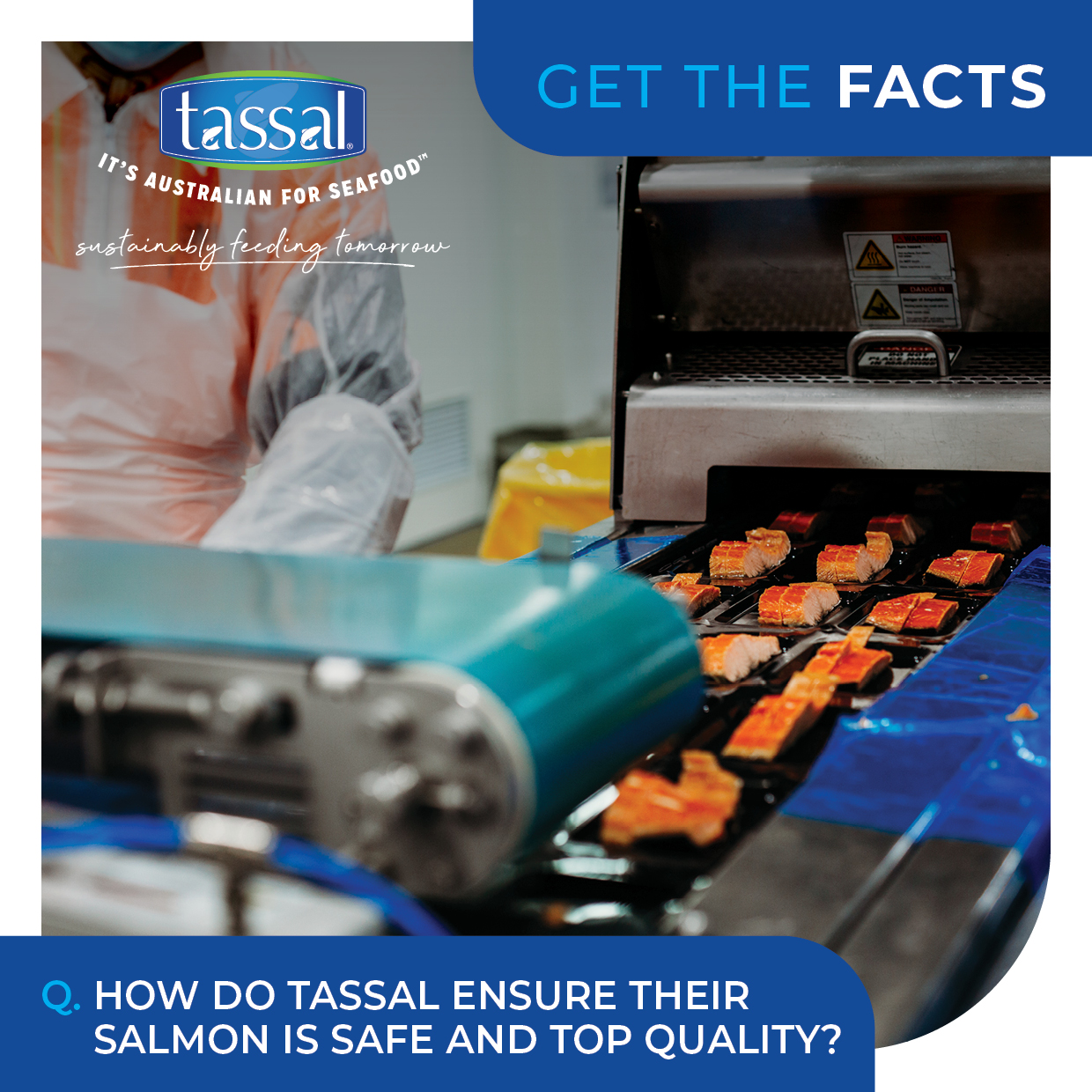
HOW DO TASSAL ENSURE THEIR SALMON IS SAFE AND TOP QUALITY?
We have a robust quality management system supported by skilled people and a risk-based approach to ensure food safety and quality of our salmon throughout the production process. All Tassal products are made under a food safety management plan based on HACCP (Hazard Analysis and Critical Control Point) principles, a system originally developed for NASA. These plans identify, assess, and control hazards at every stage to deliver consistently safe and highquality salmon for us all to enjoy.
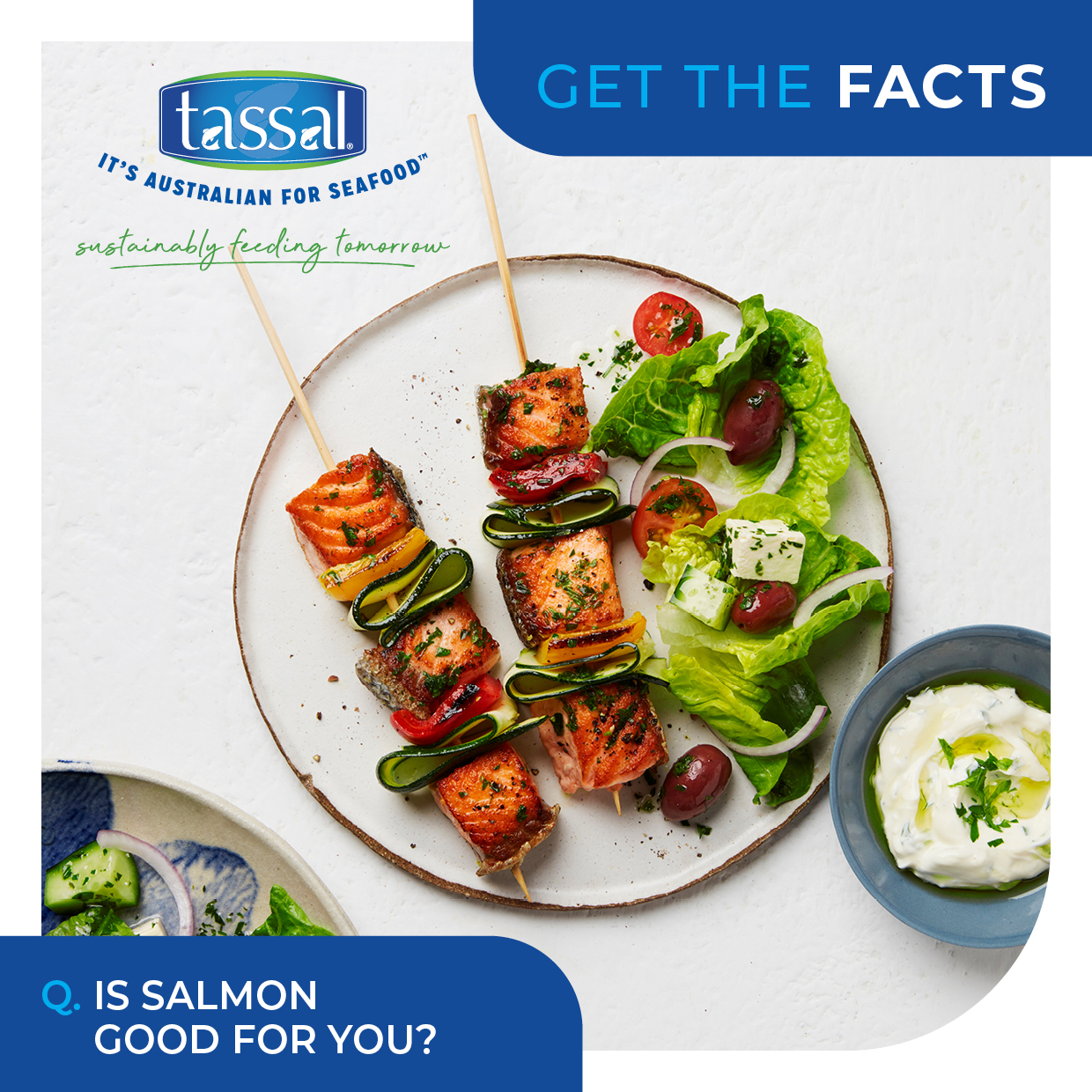
IS SALMON GOOD FOR YOU?
Yes! Not only is salmon delicious, it is also good for you! Atlantic salmon is renowned for being one of the best natural sources of Omega-3 fatty acids. Since our bodies cannot produce Omega-3s, they must be obtained through our diet and they play a crucial role in maintaining overall health. Marine Omega 3s, specifically EPA and DHA, offer extensive health benefits, including supporting cardiovascular health. Compared to traditional landbased protein sources, salmon has a high Omega-3 content.
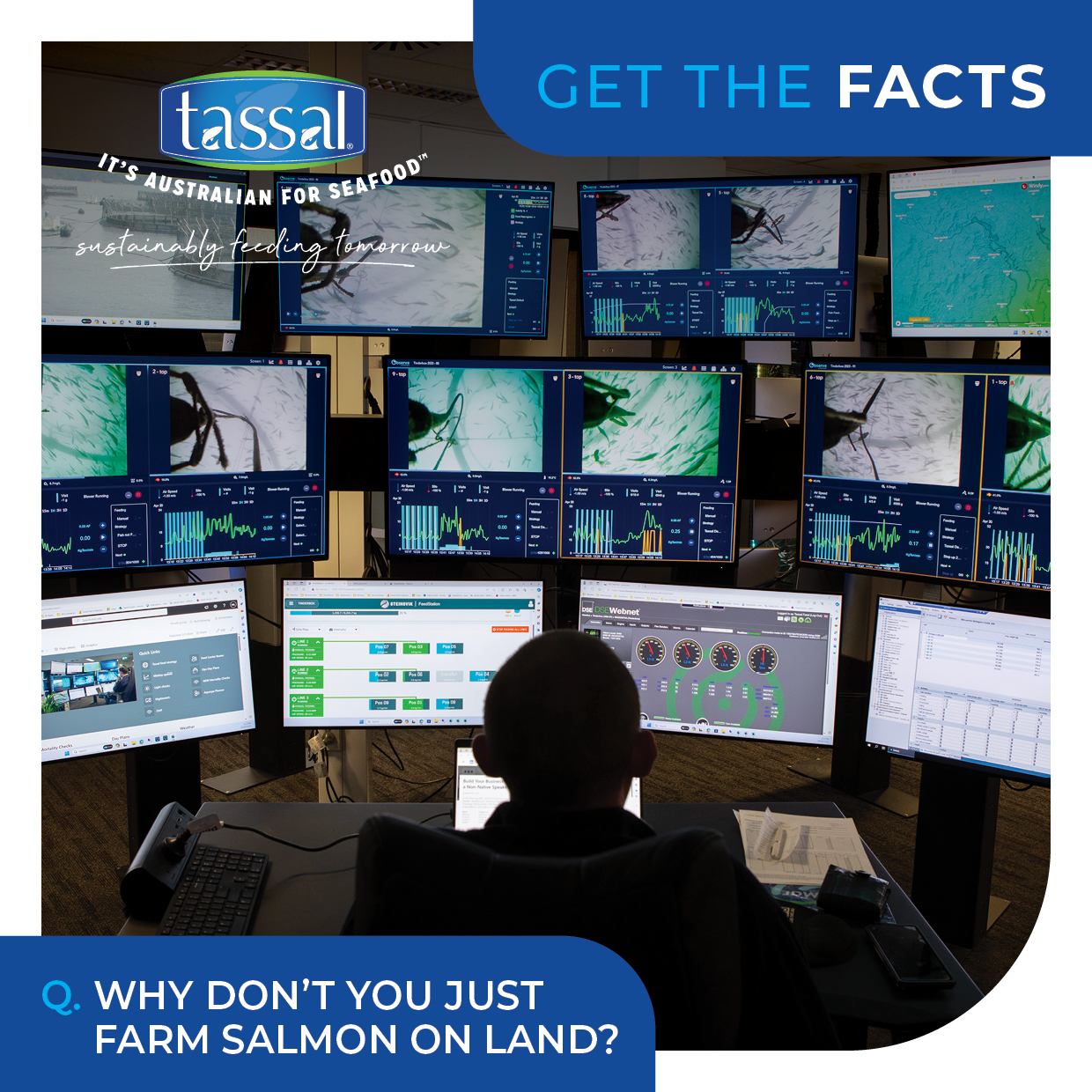
WHY DON’T YOU JUST FARM SALMON ON LAND?
We currently raise our salmon on land for approximately half of their life. This balanced approach (land-based in early life and sea-based as they mature) supports sustainability and jobs across regional Tasmania. While fully land-based salmon farming at a commercial scale remains unproven, it presents significant environmental, operational, and welfare challenges. In 2021, we conducted a feasibility study, including a comparison of carbon footprints between land-based and marine operations. The findings indicated that land-based systems produce higher emissions per kilogram of edible meat. We remain committed to exploring innovative solutions and leading the way in sustainable aquaculture in Australia.
Find out more here: https://salmontasmania.au/wp-content/uploads/2025/03/FACTS-Land-based-farming.pdf
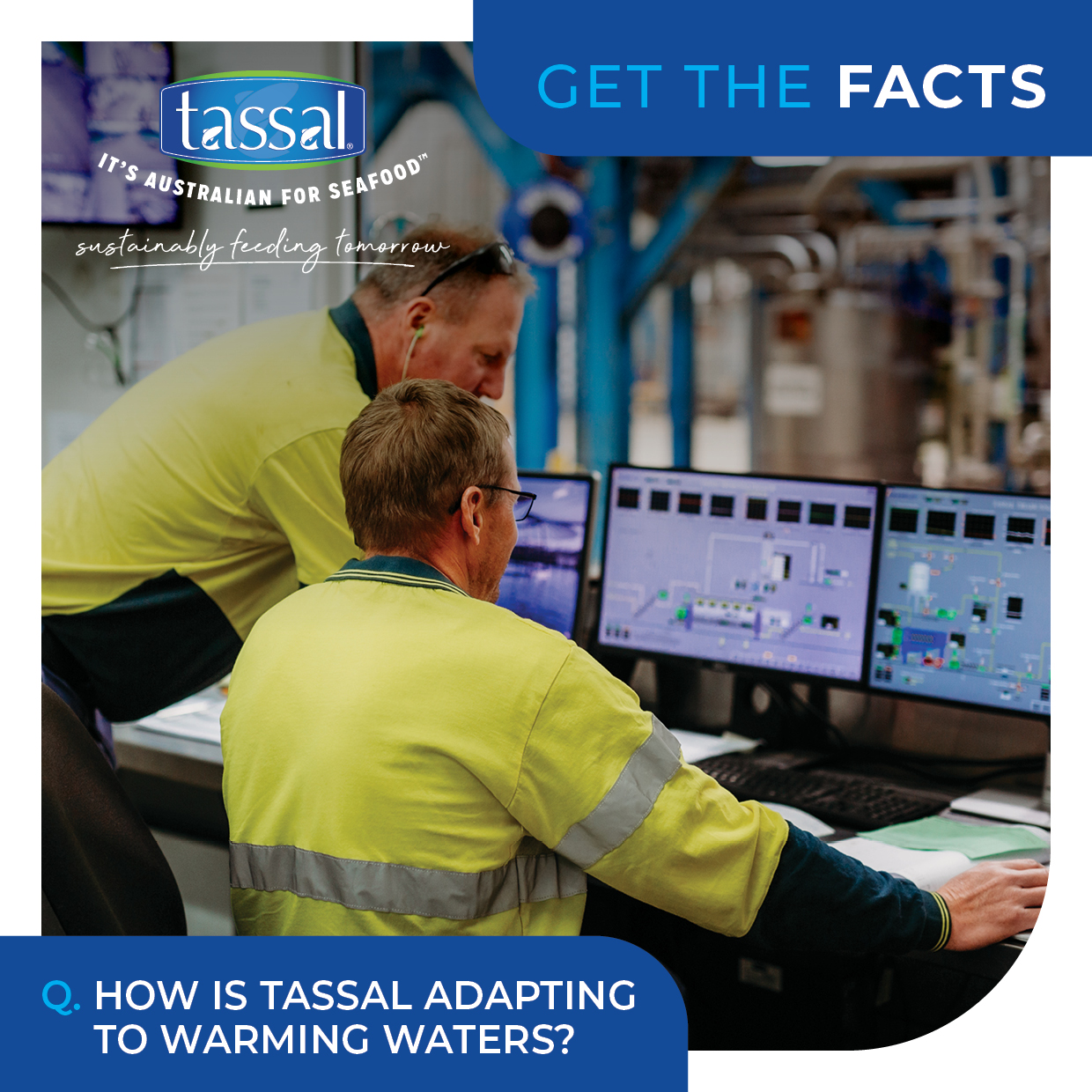
HOW IS TASSAL ADAPTING TO WARMING WATERS?
All farmers and food producers have to deal with climate change and at Tassal, we are investing heavily in climate resilience.
Our strategies include:
- Selectively breeding thermotolerant, disease-resistant fish
- Extending grow-out time in onshore facilities
- Relocating fish to offshore sites with cooler water and higher oxygen
- Developing summer-specific, easily digestible diets
- Collaborating with CSIRO, IMAS, and Blue Economy CRC on climate adaptation research to enhance operational resilience
HOW IS TASSAL ADDRESSING GREENHOUSE GAS EMISSIONS?
We have validated science-based targets (SBTs) in place to tackle our emissions and are already taking action, including the below projects:
- Trialling ways to cut diesel use;
- Converting a number of diesel barges to renewable shore power electricity;
- Installing timers for lights and venturation;
- Optimising export routes;
- Shifting from road to rail transport; and
- Working with our suppliers to use locally sourced feed ingredients where possible. We submit energy and emissions data annually to the Australian Government and are developing a detailed emissions reduction roadmap.
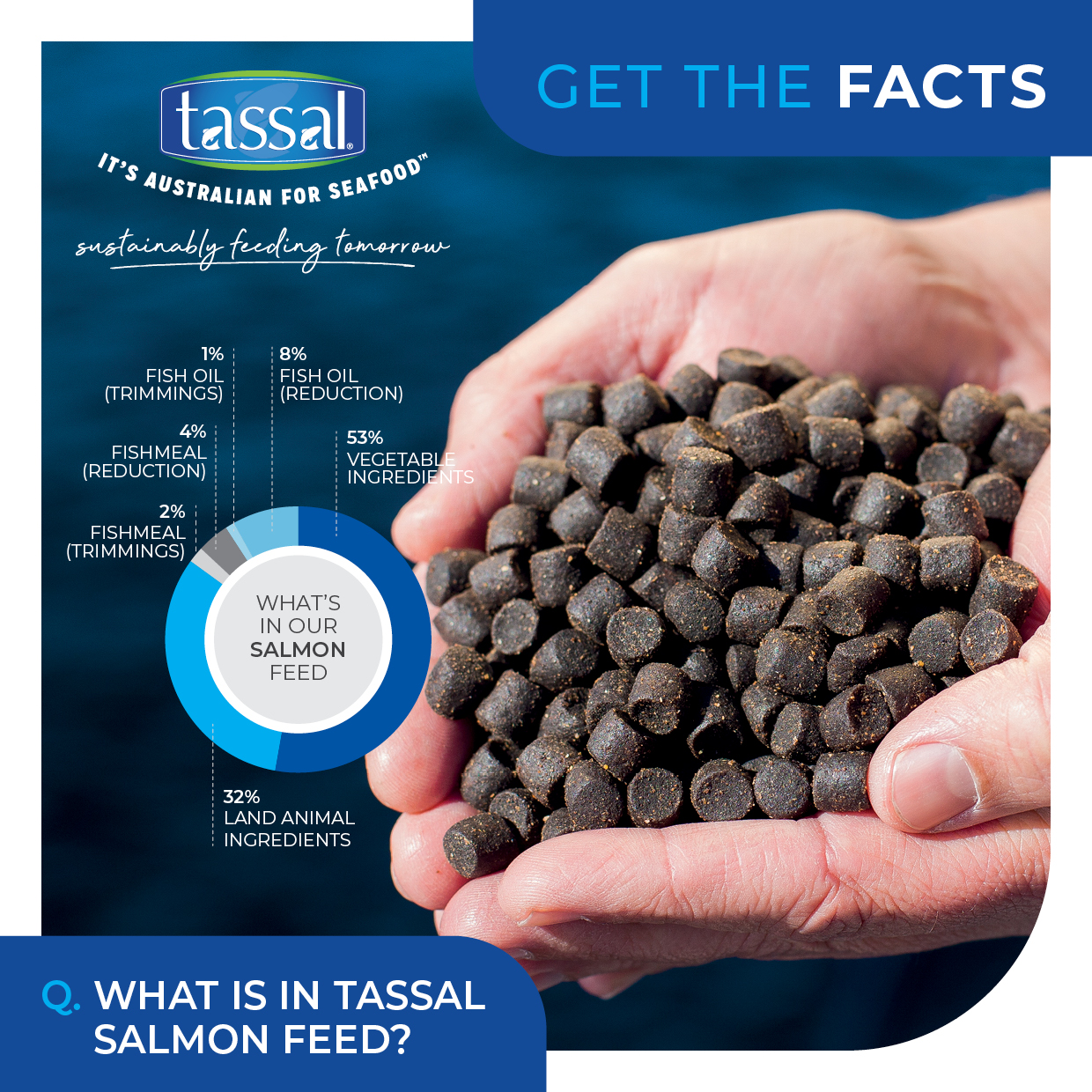
WHAT IS IN TASSAL SALMON FEED?
Aquaculture species are fed specialised diets to obtain all the nutrients they require to thrive. These diets typically include a mix of fish oil, fishmeal and agricultural ingredients including wheat, soya derivates, corn gluten, vegetables and land animal by products. Vitamins and minerals are added to feed to ensure aquaculture species obtain all the nutrients they require
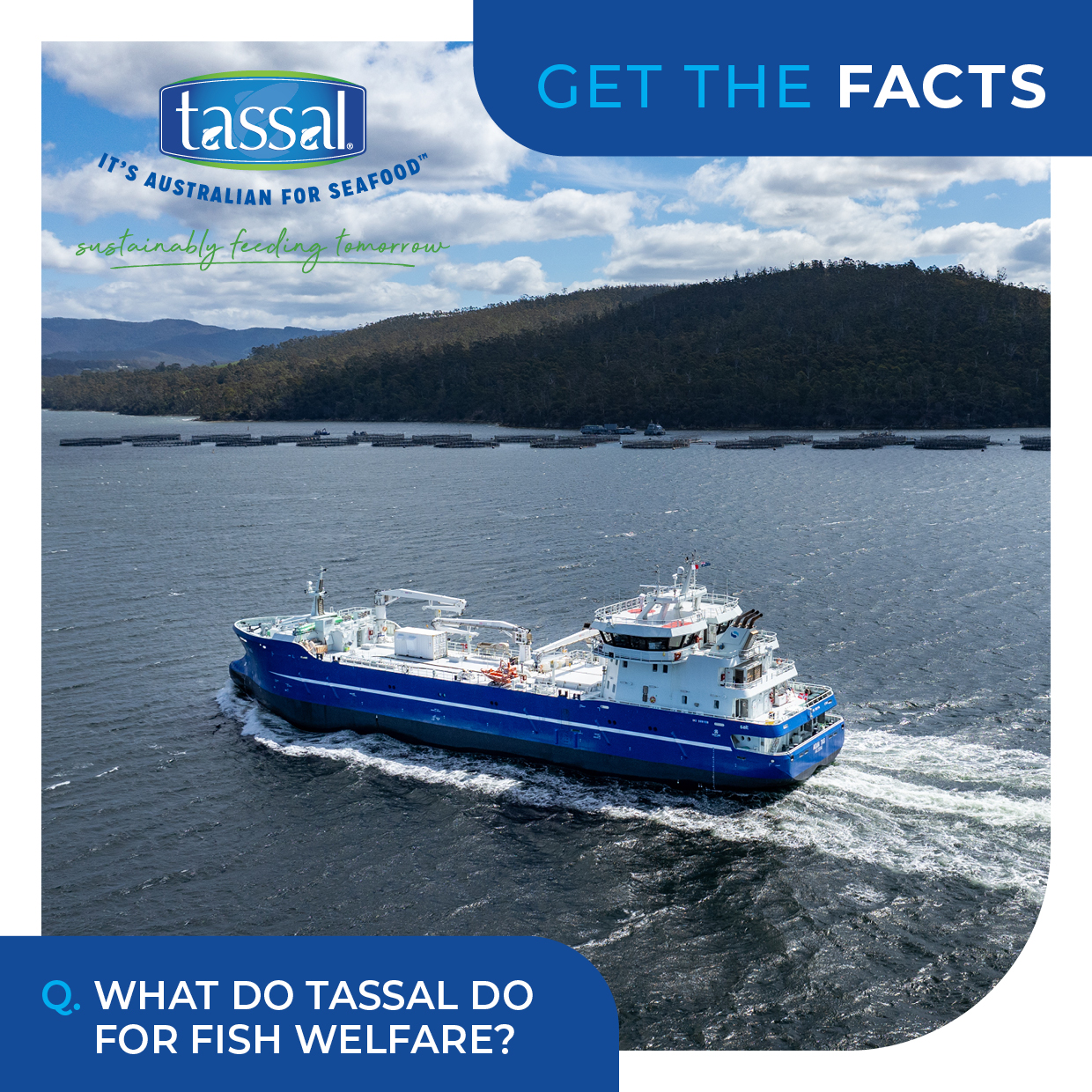
WHAT DO TASSAL DO FOR FISH WELFARE?
We are focused on continuous improvement and using the best technology to lift rates of survival. This includes operating two wellboats that maximise fish health and biosecurity outcomes, and our global leading remote operations centre, which enables us to monitor fish activity in real time across our pens. Our survival rates are among the best in the world. Tassal is a global leader in technology and innovation. All our harvest and fish handling policies and operating procedures have been developed by our dedicated animal health team and approved by our company veterinarians, with relevant employees trained accordingly.
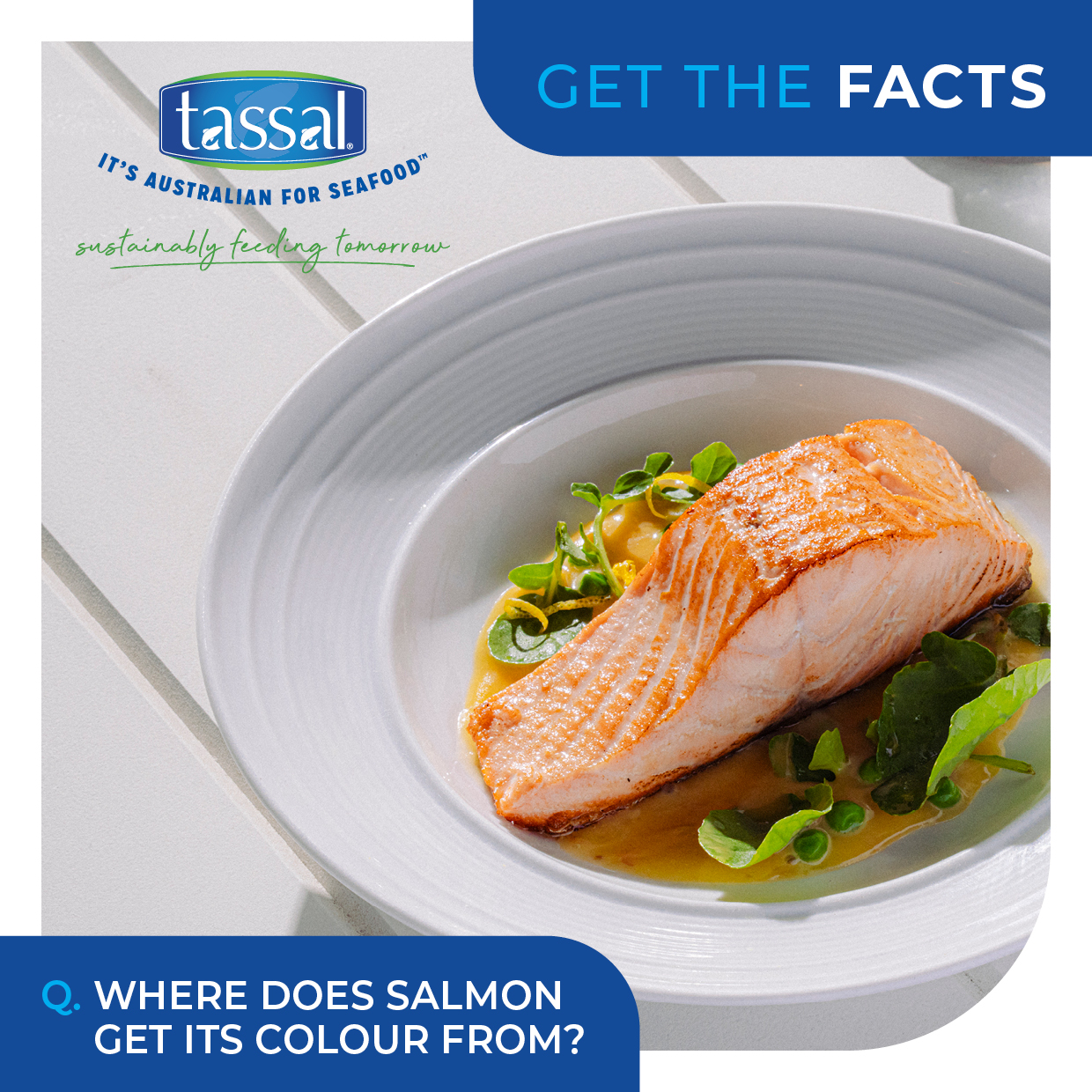
WHERE DOES SALMON GET ITS COLOUR FROM?
All salmon, whether they are wild or farmed, get their signature flesh colour from their diet, from the presence of an antioxidant called astaxanthin – this is vital for healthy muscle growth and egg production. Wild Atlantic salmon consume astaxanthin when they eat things like krill and smaller fish. It is this diet that naturally changes the colour of the flesh. Our salmon are fed a diet that replicates what salmon eat in the wild that includes astaxanthin. Astaxanthin is a healthy antioxidant that you can buy yourselves at your local health food shop or pharmacy. We are committed to growing healthy and nutritious salmon sustainably
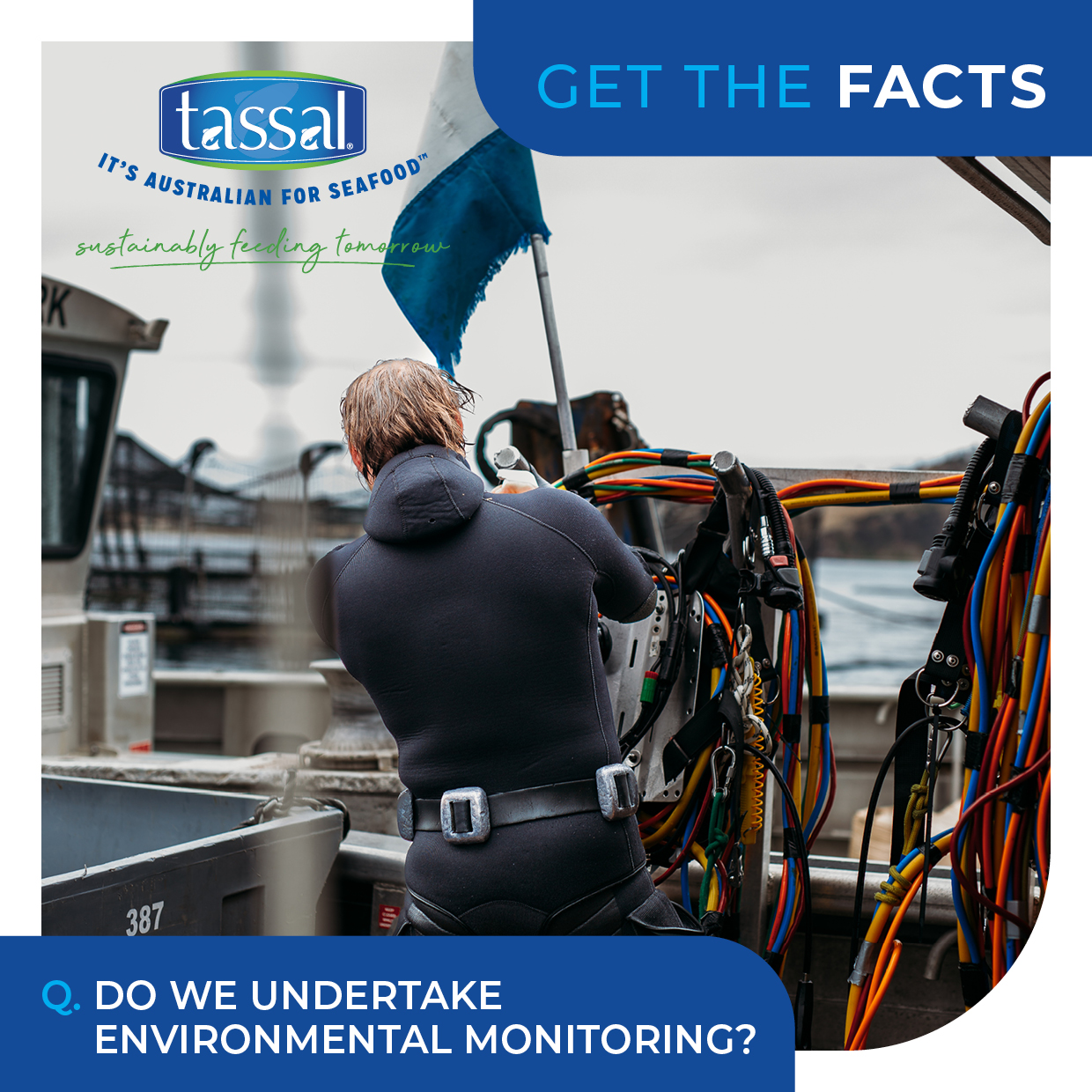
DO WE UNDERTAKE ENVIRONMENTAL MONITORING?
We regularly monitor water quality around our farms and share data with regulators to ensure a healthy marine environment. There are over 40 laws currently in place to regulate Tassie’s salmon industry. These regulations, and our reporting requirements, are significantly stricter than any other industry in this State. We know this is needed to protect our freshwater and marine waterways to ensure our industry is here for generations to come. The Tasmanian Government regulations are touted as some of the most stringent in the global salmon industry, which we can all be proud of. The D’Entrecasteaux Channel and Huon River Broadscale Environmental Monitoring Program (BEMP) has been ongoing since 2009. Having fifteen years of continuous, reliable and robust data allows for thorough analysis that is sensitive to picking up indicators of any environmental effects from aquaculture
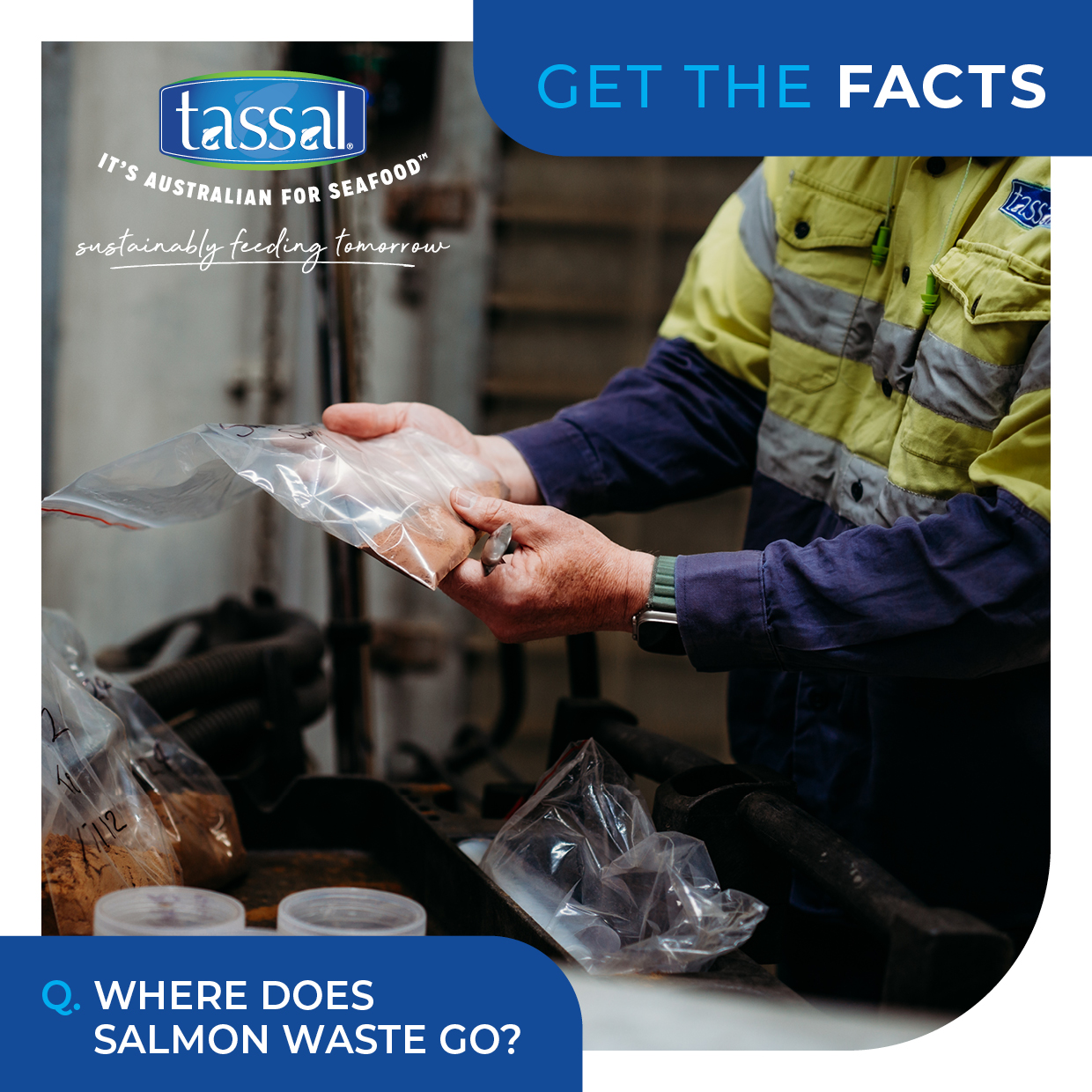
WHERE DOES SALMON WASTE GO?
We have invested heavily in our Triabunna rendering facility in Tassie, and the great majority of fish that is not processed for consumption are safely re-purposed for things like pet and livestock feed. For any waste that we can’t process on-site, we work with Tasmanian waste removal services to ensure it is managed properly and in line with strict environmental regulations.