Dover Fish Processing Factory Upgrade
What’s Happening?
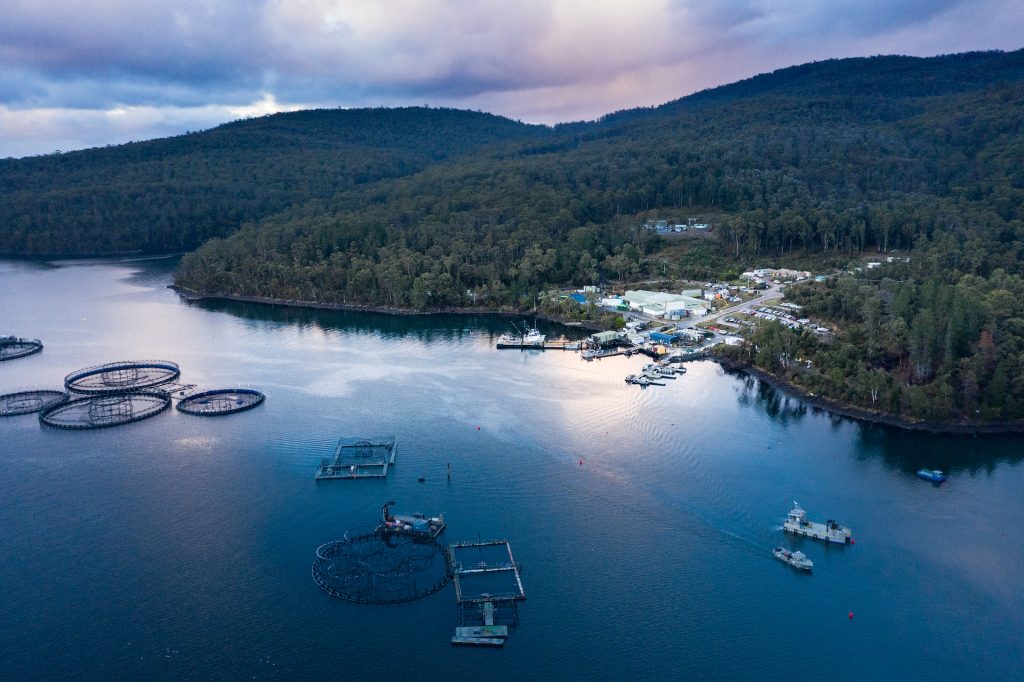
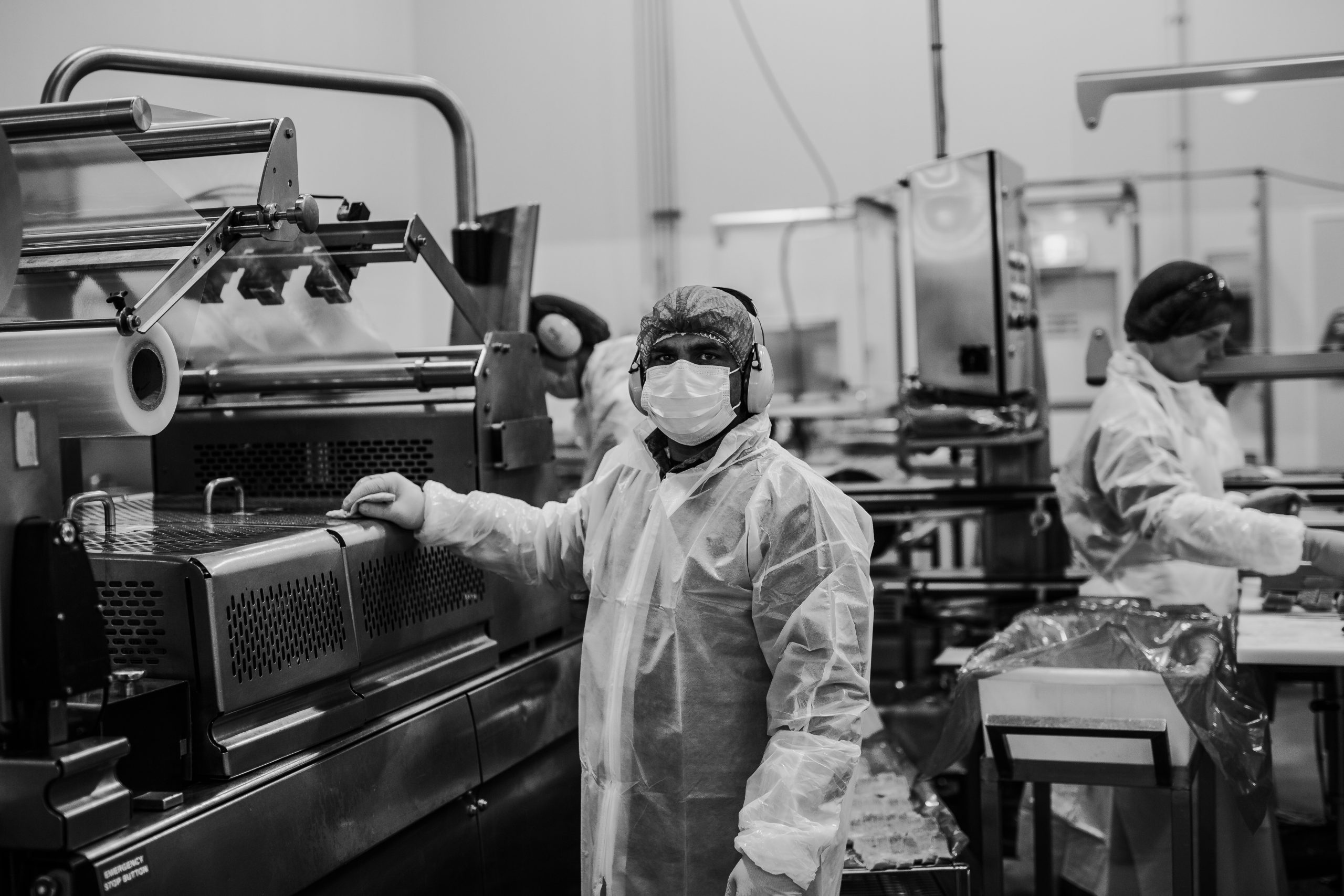
Tassal is upgrading its Dover fish processing factory to support productivity improvements and deliver better environmental outcomes. The project will deliver:
- Production flexibility: Better management of seasonal harvest and daily volumes.
- Cleaner wastewater: Improved treatment and reduced discharge impacts.
- Local jobs: 15 direct roles at the factory and around 75 indirect jobs through suppliers and services.
- Investment: Over $3.5 million in infrastructure and environmental improvements.
Why It Matters
This project is ultimately about doing things better—for the environment, the community, and the future of Tassal’s operations in Tasmania:
- Cleaner wastewater discharged from site
- More jobs and economic activity in Dover
- Long-term support for Tasmania’s aquaculture industry
Environmental Improvements
The project involves upgrading the wastewater treatment system to a modern Membrane Bioreactor (MBR)—a proven technology that delivers:
- Over 90% reduction in suspended solids
- Lower nutrient levels (nitrogen and phosphorus)
- No impact on sensitive marine species or habitats
Community Benefits
The project will bring meaningful benefits to the Dover community, including:
- Local employment: 15 direct jobs at the Dover facility, plus around 75 more supported through suppliers and services
- Economic activity: The $3.5 million project will provide increased investment and spending in the region
- Community support: Building on Tassal’s continued sponsorship of local events, schools, and clubs in Dover and surrounding areas
Safety & Monitoring
Tassal is committed to safe, responsible operations. The project includes:
- Bushfire readiness: Fire risk assessed and managed
- Emergency plans: In place for spills, fires, and other risks
- Traffic management: Reduced speed limits to improve safety
- Ongoing monitoring: Water quality and marine health regularly checked and reported
Frequently Asked Questions
Does this project expand marine farming operations?
No. This proposal is focused solely on upgrading the Dover processing facility. It does not involve any changes to marine farming areas or leases.
Will this affect the local marine environment?
No. Independent surveys found no threatened species near the discharge point. The upgraded wastewater treatment system will improve water quality.
Will there be more noise or odour?
No. Modelling shows no noticeable increase. Operations will remain within current limits.
Is this project safe for the community?
Yes. The site has bushfire protection, spill controls, and strict environmental monitoring.
Will there be more traffic?
Yes, but only a modest increase. Road safety and capacity have been assessed and remain within acceptable service levels. As part of the project’s traffic safety improvements, speed limits near the factory entrance will be reduced to improve safety for all road users.
What happens to fish waste and other by-products?
Fish waste is turned into fish meal and oil at Tassal’s Triabunna facility. Solids from the onsite wastewater treatment plant are composted for agricultural use.
How can I have my say?
The proposal is open for public comment until 10 October 2025. You can view the full Environmental Impact Statement (EIS) at EPA’s website and submit feedback via Huon Valley Council.